

William Tulaba Natick AI NIST CSF 2.0 Securing AI

Blog Series: Securing AI with the NIST Cybersecurity Framework 2.0 – Part 5 AI (RS.MI)

Part 5: AI Incident Response (RS.MI)

William Tulaba Natick AI NIST CSF 2.0 RS-MI Part 5 Incident Response

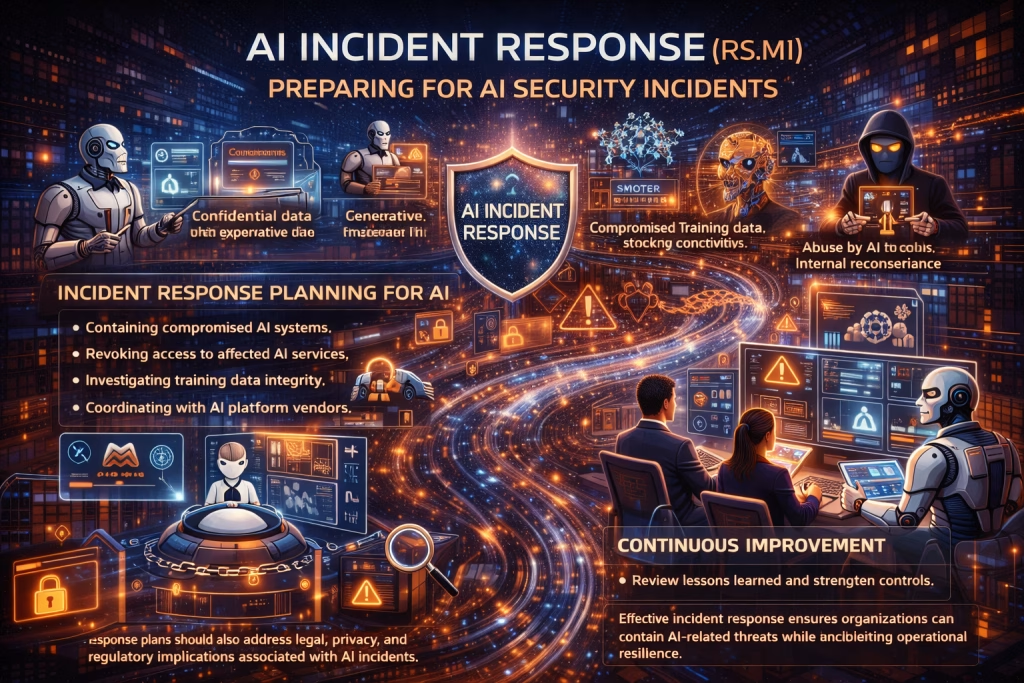
Preparing for AI Security Incidents

AI introduces new types of cybersecurity incidents that traditional response plans may not fully address.

Examples include:

  • Exposure of confidential data through generative AI outputs

  • Manipulation of AI models affecting automated decisions

  • Compromised training data altering system behavior

  • Abuse of AI tools for internal reconnaissance

The Respond function of NIST CSF 2.0 emphasizes effective incident management processes.

Incident Response Planning for AI

Organizations should prepare response procedures for AI-specific scenarios such as:

  • Containing compromised AI systems

  • Revoking access to affected AI services

  • Investigating training data integrity

  • Coordinating with AI platform vendors

Response plans should also address legal, privacy, and regulatory implications associated with AI incidents.

Continuous Improvement

Following AI incidents, organizations should review lessons learned and strengthen controls to prevent similar issues in the future.

Effective incident response ensures organizations can contain AI-related threats while maintaining operational resilience.